
- June 12, 2023
- Posted by: Firstgrade Writer
- Category: Food Ingredients
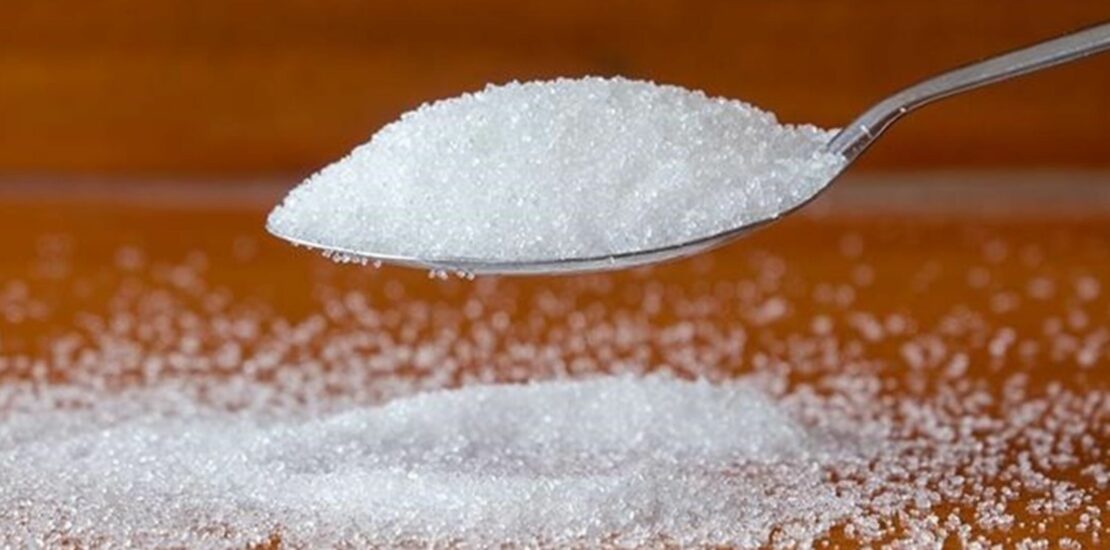
White sugar, also known as granulated sugar, is a versatile ingredient that plays a fundamental role in the culinary world. Derived from sugarcane or sugar beets, it is widely used for its ability to add sweetness and texture to a wide array of dishes and beverages. In this article, we will explore the numerous uses of white sugar, from sweetening beverages to enhancing the flavors of baked goods, while also uncovering some lesser-known facts about this commonly used ingredient.
Uses and Applications
- Sweetening Beverages: It is commonly used to sweeten beverages such as tea, coffee, lemonade, and various fruit juices. Its fine crystals dissolve quickly, providing a smooth and consistent sweetness.
- Baking and Cooking: It is a staple ingredient in baking and cooking. It not only adds sweetness but also contributes to the texture and structure of baked goods such as cakes, cookies, pies, and muffins. It helps create a tender crumb and promotes browning during the baking process.
- Preserving Jams and Jellies: It acts as a natural preservative in jams, jellies, and fruit preserves. Its ability to inhibit the growth of bacteria and fungi helps extend the shelf life of these homemade delights.
- Caramelization: Sugar plays a crucial role in creating caramel. When heated, sugar undergoes a process called caramelization, transforming into a rich, golden-brown syrup with a distinct flavor. This caramel sauce is used in various desserts, sauces, and confections.
- Texture Enhancement: In addition to sweetness, white sugar contributes to the texture and mouthfeel of many recipes. It helps create a light and airy texture in meringues, adds a crispy texture to cookies, and provides structure to whipped creams and frostings.
Unknown Facts about White Sugar
- Origin and History: White sugar has a long history dating back thousands of years. It was first produced in ancient India and later spread to other parts of the world, becoming one of the most widely used sweeteners globally.
- Processing Methods: To obtain white sugar, sugarcane or sugar beets undergo a refining process. This involves extracting the juice from the plants, purifying it, and evaporating the water content to form sugar crystals. These crystals are then further processed to achieve the desired level of whiteness.
- Sugar Varieties: Besides white sugar, there are different types of sugars available, such as brown sugar, powdered sugar, and raw sugar. These variations have distinctive flavors and textures, making them suitable for specific recipes and culinary preferences.
- Versatile Substitute: In recipes where a healthier alternative is desired, white sugar can often be replaced with natural sweeteners like honey, maple syrup, or agave nectar. However, the substitution may alter the taste and texture of the final dish.
- Sugar and Caramelization: The caramelization process, where sugar is heated to create caramel, is a fascinating chemical reaction. As the sugar molecules break down, they undergo various transformations, resulting in the characteristic flavor and color of caramel.
Conclusion
White sugar is a versatile ingredient that adds sweetness, flavor, and texture to a wide range of culinary creations. Whether you’re baking a cake, sweetening your morning coffee, or preserving fruits, it is a pantry staple that plays a fundamental role in countless recipes. Therefore, its accessibility, affordability, and wide availability make it a beloved ingredient in households and professional kitchens alike.
Frequently Asked Questions (FAQs)
Is white sugar the same as granulated sugar?
Yes, it is often referred to as granulated sugar. It is the most commonly used type of sugar, characterized by its fine crystal size.
Can I substitute white sugar with other sweeteners?
It can be substituted with alternative sweeteners like brown sugar, honey, maple syrup, or artificial sweeteners. However, the substitution may affect the taste, texture, and overall outcome of the recipe.
Does white sugar have any nutritional value?
This is primarily a source of calories and carbohydrates. It does not provide significant amounts of vitamins, minerals, or other nutrients.
How should I store white sugar?
To maintain its quality, store sugar in an airtight container in a cool, dry place. Avoid exposure to moisture, as it can cause clumping or spoilage.
Is white sugar addictive?
While sugar can be enjoyed in moderation as part of a balanced diet, excessive consumption of added sugars can contribute to health issues. It is important to practice moderation and make informed choices about sugar intake.
You may find the following information interesting:
- Dextrose Uses, Benefits & Side Effects
- Why Firstgrade Chemical Ingredients are good for Industries in Zimbabwe
- Full Cream Milk Powder: Unveiling Its Uses and Unknown Facts
- Agar Agar Uses: Amazing Ingredients with Great Benefits