
- April 19, 2024
- Posted by: Firstgrade Writer
- Category: Food Ingredients
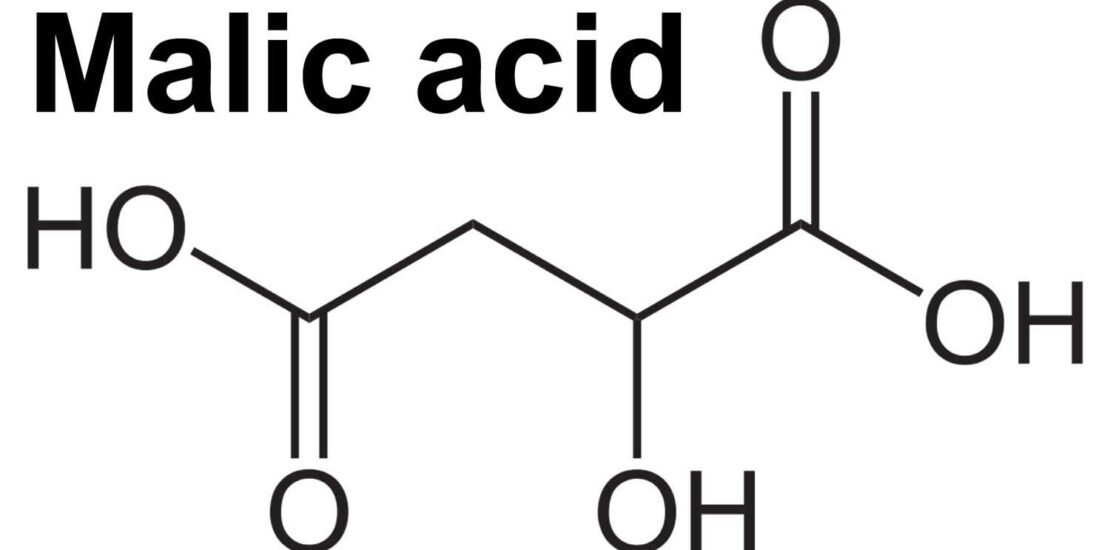
Malic acid, often overshadowed by its more famous cousin citric acid, plays a vital role in the world of food and beverages. This naturally occurring acidifier adds a pleasant tartness and enhances flavors, making it a valuable tool for food scientists and culinary enthusiasts alike. This blog post delves into the world of malic acid, exploring its properties, functions, and applications as an acidifier. We’ll also explore its natural presence in fruits and its uses beyond the kitchen.
A Closer Look
This acid, with the chemical formula C4H6O5, is a type of organic acid found naturally in many fruits and vegetables. It contributes to the sour or tart taste we experience when biting into an apple, pear, or apricot. Malic is also produced within the human body as part of the citric acid cycle, a crucial metabolic process.
As an acidifier, malic has several key characteristics:
- Tart Flavor: It contributes a distinct tart or sour taste that adds complexity and zing to various foods and beverages.
- Acidity: Malic acid holds a lower pKa value compared to citric acid, indicating a slightly stronger acidity. This translates to a sharper and sometimes longer-lasting tartness.
- Chelation: Malic acid has the ability to bind with metal ions. This property can be beneficial in preventing browning reactions in fruits and vegetables.
The Magic in Food and Beverages
The food industry utilizes malic for a variety of purposes, primarily due to its acidifying properties:
- Flavor Enhancer: Malic adds a refreshing tartness to candies, jams, jellies, and soft drinks. It complements and balances sweetness, creating a more complex flavor profile.
- Acidity Regulator: By adjusting the pH level, malic helps control food spoilage and microbial growth. This extends the shelf life of certain products.
- Sour Candy Powerhouse: Malic is a key ingredient in sour candies, providing that intense pucker-inducing sensation.
- Wine Acidity: Malic plays a role in the acidity profile of some wines, particularly unripe grapes. Winemakers may use malic acid for tartness adjustments during the winemaking process.
Beyond these primary functions, malic acid offers additional benefits:
- Flavor Synergist: Malic interacts with other flavoring compounds, enhancing their impact and creating a more well-rounded taste experience.
- Salting and Pickling: In some cases, malic can be used alongside vinegar or citric acid in pickling brines or marinades.
Natural Bounty: Fruits and Beyond
Malic isn’t just an industrial tool; it’s a naturally occurring component of many fruits and vegetables:
- Fruits: Apples, pears, grapes, apricots, plums, cherries, and cranberries are all naturally rich in malic acid.
- Vegetables: Tomatoes, rhubarb, spinach, and green beans also contain varying amounts of malic acid.
Consuming these foods provides us with malic acid, although the quantities are generally too low to have any significant impact on the body’s pH balance.
More Than Just a Food Additive
Malic acid finds applications beyond the realm of food and beverages:
- Cosmetics Industry: Malic acid’s ability to chelate metals and its mild exfoliating properties make it a suitable ingredient in some skincare products.
- Dietary Supplements: Malic acid supplements are sometimes used for fatigue, fibromyalgia, and muscle pain, although research on their effectiveness is ongoing.
It’s important to note that consulting a healthcare professional before taking any supplements is crucial.
The Final Bite
Malic acids, a naturally occurring acidifier, plays a significant role in the world of food science. It adds a delightful tartness, enhances flavors, and offers several functional benefits for food preservation and quality. From the tang of your favorite candy to the subtle acidity in certain fruits, malic acid’s presence adds a layer of complexity to the culinary experience. So, the next time you enjoy a refreshingly tart treat, remember the power of malic acids and its contribution to the symphony of flavors on your tongue.
FAQS
Is malic acid safe to consume?
Yes, malic is generally safe for consumption in the amounts typically found in food and beverages. It’s naturally present in many fruits and vegetables we consume regularly. However, malic supplements can have side effects, so consulting a healthcare professional before taking them is advisable.
What’s the difference between malic acid and citric acid?
Both are organic acids used as food additives, but with slight differences:
Flavor: Malic has a sharper, slightly more intense tartness compared to citric acid’s milder acidity.
Acidity: acid is slightly stronger than citric acid based on its pKa value.
Natural Sources: Malic acid is abundant in apples, pears, and some vegetables, while citric acid is prominent in citrus fruits.
Does malic have any health benefits?
While research is ongoing, some studies suggest potential benefits of malic acid supplements for fatigue, fibromyalgia, and muscle pain. However, more evidence is needed. It’s important to consult a doctor before taking any supplements.
Is malic vegan?
Yes, malic acid itself is vegan. It can be derived from fruits and vegetables or produced synthetically. In either case, it doesn’t involve animal products.
Are there any side effects to consuming too much malic?
Consuming large amounts of malic , particularly in supplement form, can cause stomach upset, diarrhea, or nausea. It’s best to stick to recommended dosages or the amounts naturally present in food.
You may find this useful: