
- July 3, 2023
- Posted by: Firstgrade Writer
- Category: Industrial Chemicals
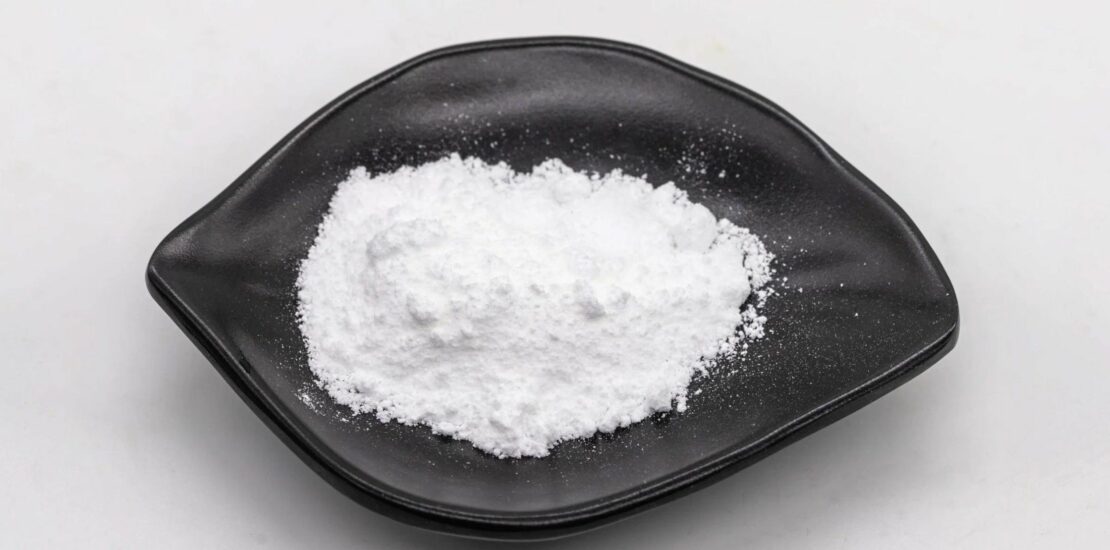
Fumaric acids is a naturally occurring organic compound with a wide range of applications in multiple industries. From food and pharmaceuticals to resins, industrial processes, and agriculture, fumaric acid plays a crucial role. In this article, we will delve into the uses, benefits, and importance of fumaric acid across different sectors.
Food and Beverage Industry
Fumaric acids serves as an acidulant in the food and beverage industry, adding a sour taste and enhancing the flavor of various products. It is utilized in carbonated drinks, fruit-flavored beverages, candies, and gelatin desserts. The high solubility of fumaric acid makes it easy to incorporate into different food formulations, providing the desired taste and acidity.
Pharmaceuticals and Nutraceuticals
Fumaric acid finds applications in pharmaceuticals and nutraceuticals due to its antioxidant properties. It is used in the production of certain medications and dietary supplements, contributing to their efficacy. Moreover, in dermatological preparations, fumaric acid offers soothing and anti-inflammatory benefits for skin health.
Resins and Coatings
Fumaric acid plays a crucial role in the production of resins and coatings. As a cross-linking agent, it is used in the manufacturing of unsaturated polyester resins. Therefore, these resins are widely employed in fiberglass reinforced plastics, automotive parts, and construction materials. Also, fumaric acid-based resins provide exceptional durability, weather resistance, and chemical resistance.
Industrial Applications
Fumaric acids finds applications in various industrial processes. It is utilized in the production of printing inks, adhesives, and plasticizers. Its ability to act as an acid catalyst makes it valuable in specific chemical reactions. Additionally, fumaric acid serves as a pH adjuster in water treatment applications, ensuring the optimal balance of acidity and alkalinity.
Agricultural and Horticultural Uses
In agricultural and horticultural practices, fumaric acid serves as a plant growth regulator. Also, its application helps enhance crop yield and improve plant health. Fumaric acid-based formulations are used in foliar sprays, fertilizers, and soil amendments. Therefore this is to optimize nutrient uptake, stimulate root development, and enhance overall plant performance.
Conclusion
Fumaric acid proves to be a versatile ingredient with diverse applications across various industries. Its role as an acidulant in the food and beverage industry, as well as its significance in resin production, pharmaceuticals, industrial processes, and agricultural practices, highlights its versatility. As with any ingredient, it is crucial to handle and formulate fumaric acid properly while adhering to regulatory guidelines to ensure safe and effective utilization in different applications.