
- June 19, 2023
- Posted by: Firstgrade Writer
- Category: Industrial Chemicals
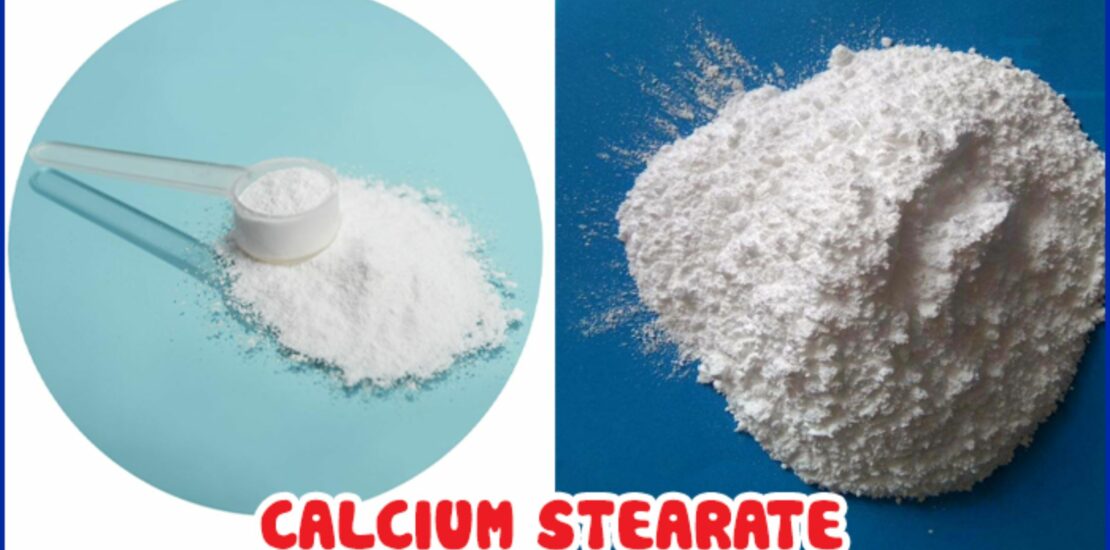
Calcium stearate is a chemical compound widely used as an additive in various industries. It is derived from stearic acid, which is obtained from natural fats and oils. This versatile ingredient finds its applications in the plastic, rubber, pharmaceutical, and food industries, among others. In this article, we will explore the uses, benefits, and considerations associated with calcium stearate.
Role in the Plastic Industry
Calcium stearate plays a crucial role in the plastic industry as a lubricant and release agent. It helps in preventing the adhesion of plastic particles to the processing equipment, improving the flow properties of the material, and reducing friction during molding or extrusion processes. This results in enhanced processing efficiency and improved surface finish of plastic products.
Importance in the Rubber Industry
In the rubber industry, calcium stearate acts as a stabilizer and processing aid. It helps in preventing premature aging, oxidation, and degradation of rubber compounds, thereby increasing their durability and lifespan. Additionally, it improves the dispersion of fillers and accelerators, leading to better curing properties and enhanced physical characteristics of rubber products.
Applications in the Pharmaceutical Industry
Calcium stearate is widely used in the pharmaceutical industry as an excipient, which is an inactive substance added to medications for various purposes. It is commonly used as a lubricant in tablet manufacturing, ensuring smooth tablet ejection from molds and preventing sticking. It also aids in improving the dissolution properties of certain drugs, allowing for better absorption in the body.
Food Industry Considerations
In the food industry, calcium stearate is used as an anti-caking agent and emulsifier. It helps prevent clumping and improves the flow of powdered food products such as spices, baking mixes, and powdered beverages. Calcium stearate is generally recognized as safe (GRAS) by regulatory authorities when used in accordance with good manufacturing practices. However, it is important to note that excessive consumption should be avoided.
Handling and Safety Considerations
When working with calcium , it is essential to follow proper handling procedures to ensure safety. Also, avoid direct contact with skin or eyes and use protective equipment such as gloves and goggles. Store the compound in a cool, dry place, away from moisture and incompatible substances. It is also important to consult safety data sheets and follow the guidelines provided by the manufacturer for safe usage.
Conclusion
Therefore, calcium stearate is a versatile additive with significant applications in multiple industries. Its role as a lubricant, stabilizer, and emulsifier makes it an essential ingredient in various manufacturing processes. However, it is crucial to adhere to recommended guidelines and regulatory standards while using calcium. Also, by understanding its uses, benefits, and safety considerations, industries can harness its potential . Therefore, this is to enhance their products and processes.
FAQS
What is Calcium Stearate used for?
It is commonly used as a lubricant, stabilizer, and anti-caking agent in various industries such as plastics, pharmaceuticals, and food.
Is Calcium Stearate safe for consumption?
Yes, it is generally recognized as safe for consumption by regulatory authorities. It has a long history of safe use in food and pharmaceutical applications.
Can Calcium Stearate be used in vegan or vegetarian products?
Yes, it is derived from plant-based sources and does not contain any animal-derived ingredients. It can be used in vegan and vegetarian products.
Does Calcium Stearate affect the taste or texture of food products?
No, it is a tasteless and odorless ingredient that does not alter the taste or texture of food products. It is commonly used in powdered mixes, confectionery, and bakery products.
Can Calcium Stearate be used in cosmetics and personal care products?
Yes, It is used in cosmetics and personal care products as an emulsifier, thickener, and stabilizer. It helps to improve the texture and performance of creams, lotions, and powders.