
- March 31, 2022
- Posted by: Firstgrade Incorporated
- Category: Animal Feed Ingredients
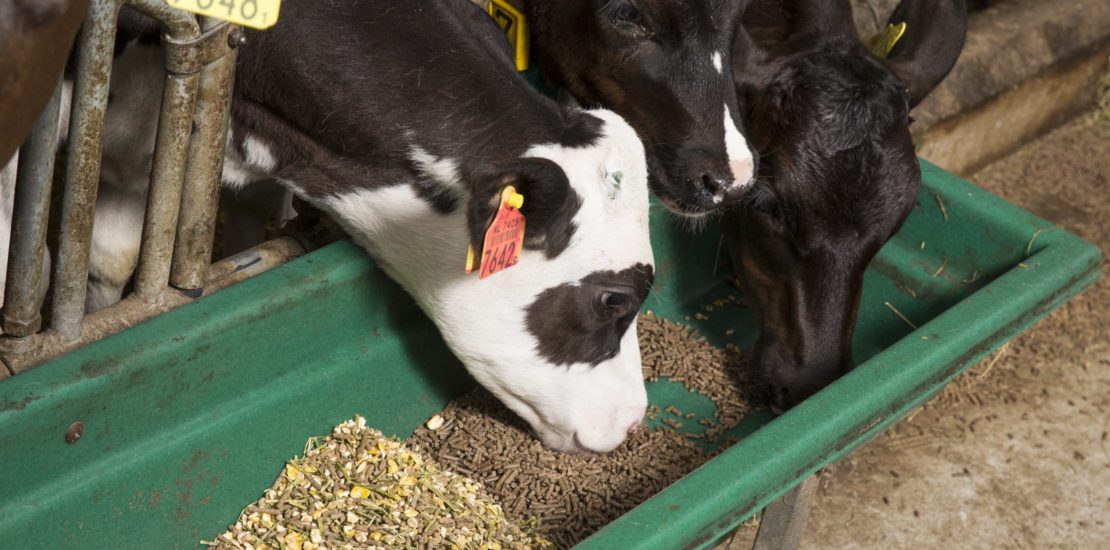
Have you considered making your mix for your livestock feed? What do you think are the main ingredients in farm animal feed?
If you are entirely new to raising livestock, then you’re in the right place! In this article, you will learn what animal feed is made of and what other nutrients you can add to ensure the health of your animals.
There are many things to consider when it comes to animal feed ingredients.
Aside from checking the nutrients, you also have to look into the proportions, storage, preparation, and your animal’s current health status.
The good thing about raising livestock is that the feed ingredients are not hard to come by. You can easily acquire these items on your farm or buy them in the local market.
What are the Main Ingredients in Farm Animal Feed?
The main ingredients in farm animal feed are often grouped into crucial groups. This way, you can ensure that your animals get the nutrients they need in each food group.
You are pretty aware of the three food groups for human food: Go, Grow & Glow. It’s the same thing with the food for livestock.
The components of animal feed stem from the three key groups: energy sources, protein, and vitamins.
When you have feed ingredients from each category, you will have a complete and well-balanced food for livestock.
Energy Sources or Carbohydrates
This refers to food high in carbohydrates and primarily gives energy to your livestock. Here are several feed ingredients that belong to this key group:
Corn Grits or Maize
This is considered one of the main ingredients in farm animal feed as it takes about half of the feed composition.
Corn is a reliable source of carbohydrates, and it’s also packed with fiber, minerals, and vitamins.
Even back then, farm owners primarily fed their poultry with a corn-based diet. Nowadays, there are genetically modified corn grits that provide more nutrients.
Wheat
This form of cereal acts as a binding agent in the feed composition. It provides energy to your farm animals and can be a minor source of protein as well.
Noodles Waste
This is a cheaper option since they are close to being leftovers. You can get this from a noodle factory or simply from your last night’s dinner.
Either way, it contributes a large amount of energy to your animals and has sufficient protein. Noodles are also adaptable, which goes well with other feed options.
Protein
This refers to protein foods that facilitate the growth and repair of body tissues. Animal feed ingredients under this key group do not only limit to meat but also protein-rich plants.
Protein is an essential nutrient, especially for young poultry and livestock. The amount of intake will affect their egg and meat productivity.
Here are samples of protein sources that you can add to your animal feed:
Synthetic Amino Acids
This helps your animals achieve a balanced source of amino acids. The common forms of synthetic amino acids are feed-grade Lysine and Methionine.
You can use these protein sources to add to your existing livestock feed. They help in the growth of chicks, boost egg size, minimize body fat, and improve muscle build-up.
One of the reasons why some farmers don’t use synthetic amino acids as the main ingredients in farm animal feed is that it’s expensive.
To make the most of it, you can combine this protein with other meat sources in the animal feed.
Fish Meat
This has been a reliable protein source, especially for livestock feed. It is packed with amino acids that provide energy to your animals and make their bodies strong and healthy.
The downside of using fish meat is its accessibility and price. It’s not exactly cheap, and you may need an excellent storage area to keep the fish meat fresh.
Soya Beans
This is a plant-based alternative for protein. As mentioned, fish meat is not easy to store and can be pricey, so it’s best to acquire more accessible protein-rich plants for your livestock feed.
Often used as the main ingredients in farm animal feed, soya beans have become a good source of protein and amino acids.
However, some farmers consider it more a complementary feed than the main dish.
Still, its friendly price and abundant supply have made it an excellent option for protein. Soya beans also go well with foods from other vital groups.
Palm Kernel
This is another plant-based protein source for livestock feeds that are common and cheaper. Palm kernel may have low protein content, yet it’s high in fiber content and low in digestibility.
This means that palm kernels can be readily used as one of the feed ingredients, but you should only serve them in moderate proportions.
You may contact a local expert to ensure the proper serving of palm kernel for your livestock feed.
Other protein-rich plant products include canola, cottonseed cakes, peanuts, and safflower meal. Farmers would add vegetable oil or hydrolyzed fats to the animal feed in other cases.