
- May 5, 2023
- Posted by: Firstgrade Writer
- Category: Food Ingredients
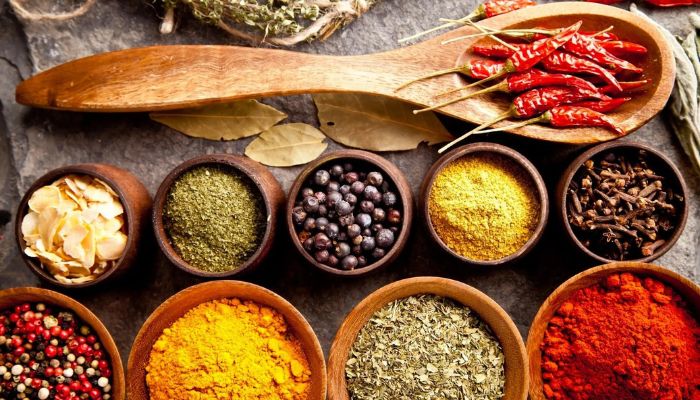
Food ingredients play a crucial role in the taste, aroma, and overall quality of meals. While basic ingredients like salt and pepper are commonly used to add flavour, there’s a whole world of spices and herbs that can elevate the taste of any dish. In addition to their culinary benefits, they also offer several health benefits. However, many people are unaware of the different types of spices and herbs available and how to use them effectively. Here we will explore the power of spices and herbs in adding flavour to meals and how to use them to achieve perfectly seasoned dishes.
Understanding the difference between spices and herbs
Spices and herbs are often used interchangeably, but they are different in food ingredients. Spices are typically derived from seeds, bark, or roots of plants, while herbs are usually the leaves of plants. Understanding the differences between these two categories can help you use them more effectively in your cooking.
Health benefits of using spices and herbs
Food ingredients play a vital role in the kitchen! Many spices and herbs have been shown to offer several health benefits, including anti-inflammatory and antioxidant properties. Some popular examples include ginger, turmeric, and cinnamon. Incorporating these ingredients into your meals can not only add flavour but also boost your overall health.
Herbs and spices that are good for your skin
- Turmeric: This bright yellow spice is known for its anti-inflammatory and antioxidant properties, making it a great addition to skincare routines for reducing inflammation and fighting free radicals.
- Cinnamon: This warming spice has been shown to improve blood circulation and oxygen supply to the skin, which can help with cell regeneration and overall skin health.
- Rosemary: This fragrant herb has antibacterial and anti-inflammatory properties, making it a great choice for treating acne-prone skin. It can also help to stimulate blood flow to the skin and improve overall skin tone.
- Chamomile: This soothing herb is known for its anti-inflammatory and calming properties, making it a great choice for reducing redness and irritation on the skin. It can also help to improve skin texture and tone.
- Lavender: This fragrant herb is known for its calming and relaxing properties, making it a great choice for reducing stress and promoting better sleep. It also has antiseptic and anti-inflammatory properties, which can help to soothe and heal the skin.
Essential spices and herbs every kitchen should have
Some certain spices and herbs are essential in any kitchen, including salt, black pepper, garlic, and onion. Other popular spices and herbs include cumin, paprika, rosemary, thyme, and basil. Understanding how to use these spices and herbs can help you create perfectly seasoned dishes every time.
Pairing spices and herbs with different types of cuisine
Different types of cuisine require different combinations of spices and herbs. For example, Mediterranean cuisine often uses oregano, thyme, and garlic, while Indian cuisine often incorporates cumin, coriander, and turmeric. Understanding how to pair spices and herbs with different types of cuisine can help you create authentic dishes that are bursting with flavour.
Tips for using spices and herbs effectively
Using spices and herbs effectively can be a challenge, especially for novice cooks. Some tips for using spices and herbs effectively include starting with small amounts, adding them early in the cooking process, and experimenting with different combinations. These tips can help you achieve perfectly seasoned meals every time.
Tips for using spices and herbs effectively
- Start with small amounts: If you’re not used to using a particular spice or herb, start with a small amount and gradually increase as you become more comfortable with the flavour.
- Store them properly: Keep your spices and herbs in a cool, dark place to help preserve their flavour and potency. Avoid storing them near heat sources, such as the stove or oven.
- Use them at the right time: Some spices and herbs are best added at the beginning of cooking, while others are better added towards the end. For example, delicate herbs like basil and parsley should be added at the end to avoid overcooking and losing their flavour.
- Don’t be afraid to experiment: Part of the fun of using spices and herbs is trying new combinations and flavours. Don’t be afraid to experiment and find your unique blend of seasonings.
- Use fresh herbs whenever possible: Fresh herbs have a brighter, more vibrant flavour than dried herbs. If possible, use fresh herbs in your cooking and save dried herbs for times when fresh isn’t available.
Conclusion
Spices and herbs are powerful tools in any cook’s arsenal. They offer a range of health benefits and can elevate the flavour of any dish. By understanding the differences between spices and herbs, the health benefits they offer, and how to use them effectively, you can create perfectly seasoned meals that will impress your family and friends.