
- June 29, 2024
- Posted by: Firstgrade Writer
- Category: Industrial Chemicals
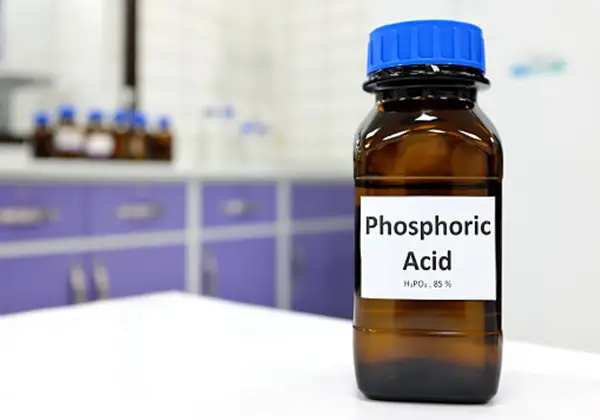
Phosphoric acid, a key chemical compound with diverse industrial applications, plays a crucial role in various manufacturing processes and as a chemical reagent. Understanding its uses and adhering to safety guidelines are essential for ensuring efficient production and worker safety.
Uses of Phosphoric Acid
- Manufacturing of Fertilizers: Phosphoric acid is primarily used in the production of fertilizers, such as ammonium phosphate and superphosphate fertilizers. It provides essential phosphorus nutrients for plant growth and is a cornerstone of modern agricultural practices.
- Food and Beverage Industry: In the food industry, phosphoric acid is utilized as an acidifying agent and pH adjuster in soft drinks and food products. It contributes to flavor enhancement and preservation, playing a vital role in the production of carbonated beverages.
- Metal Treatment: Phosphoric acid finds application in metal treatment processes, including metal cleaning, rust removal, and surface preparation before painting or coating. Its ability to dissolve metal oxides makes it effective in industrial cleaning and surface treatment.
- Water Treatment: It is used in water treatment to control pH levels and prevent scaling in industrial boilers and cooling systems. Phosphoric acid formulations are also employed as corrosion inhibitors in water treatment processes.
- Chemical Manufacturing: Phosphoric acid serves as a key intermediate in the production of various chemicals, including phosphates, detergents, and industrial cleaners. It is integral to the synthesis of phosphates used in detergents and industrial applications.
Safety Guidelines
- Handling and Storage: Phosphoric acid should be handled with care to avoid contact with skin, eyes, and clothing. Use appropriate personal protective equipment (PPE), including gloves, goggles, and protective clothing. Store phosphoric acid in tightly sealed containers in a cool, dry, well-ventilated area away from incompatible substances.
- Ventilation and Engineering Controls: Ensure adequate ventilation in areas where phosphoric acid is used or stored to prevent the buildup of vapors or mists. Use local exhaust ventilation systems and chemical fume hoods where applicable to minimize exposure.
- Spill and Leak Procedures: In case of spills or leaks, contain the area immediately to prevent further spread. Neutralize small spills with a suitable base (e.g., sodium bicarbonate) and absorb larger spills with inert materials like sand or vermiculite. Dispose of contaminated materials in accordance with local regulations.
- First Aid Measures: In the event of exposure, promptly flush affected areas with water for at least 15 minutes (skin and eyes). Seek medical attention if irritation persists or symptoms develop. Have safety showers and eye-wash stations readily accessible in areas where phosphoric acid is handled.
- Environmental Considerations: Avoid releasing phosphoric acid into waterways or soil. In case of accidental release, follow spill containment procedures and notify appropriate authorities. Dispose of phosphoric acid waste in compliance with environmental regulations and guidelines.
Conclusion
Phosphoric acid’s versatile applications in agriculture, food production, metal treatment, and chemical manufacturing underscore its importance in industrial processes. However, adherence to stringent safety guidelines is paramount to mitigate risks associated with its handling and use. By understanding its uses, implementing proper safety protocols, and maintaining a proactive approach to risk management, industries can harness the benefits of phosphoric acid while ensuring a safe working environment for all personnel involved.
FAQS
What is phosphoric acid used for in industrial applications?
Phosphoric acid is widely used in various industries. It serves as a key ingredient in fertilizer production, metal treatment processes, water treatment, and as an acidifying agent in food and beverage manufacturing. It is also utilized in chemical synthesis for producing phosphates and detergents.
How is phosphoric acid used in agriculture?
In agriculture, phosphoric acid is essential for the production of fertilizers, particularly phosphate fertilizers like ammonium phosphate and superphosphate. These fertilizers provide plants with crucial phosphorus nutrients necessary for growth and development.
What safety precautions should be taken when handling phosphoric acid?
When handling phosphoric acid, it’s important to wear appropriate personal protective equipment (PPE), including gloves, goggles, and protective clothing. Ensure adequate ventilation in work areas to minimize exposure to vapors or mists. In case of spills, follow proper containment and cleanup procedures, and dispose of waste according to regulatory guidelines.
Can phosphoric acid be used in food and beverage products?
Yes, phosphoric acid is commonly used in the food and beverage industry as an acidulant and pH adjuster. It enhances flavor, provides tartness in soft drinks, and helps stabilize the pH of processed foods. However, its usage in food products is regulated to ensure safety and compliance with food safety standards.
What are the environmental considerations when using phosphoric acid?
It’s important to prevent phosphoric acid from entering waterways or soil to avoid environmental contamination. Also, proper containment measures should be in place to prevent spills, and any spills should be promptly cleaned up and disposed of according to environmental regulations.
You may find this useful: