
- March 21, 2024
- Posted by: Firstgrade Writer
- Category: Industrial Chemicals
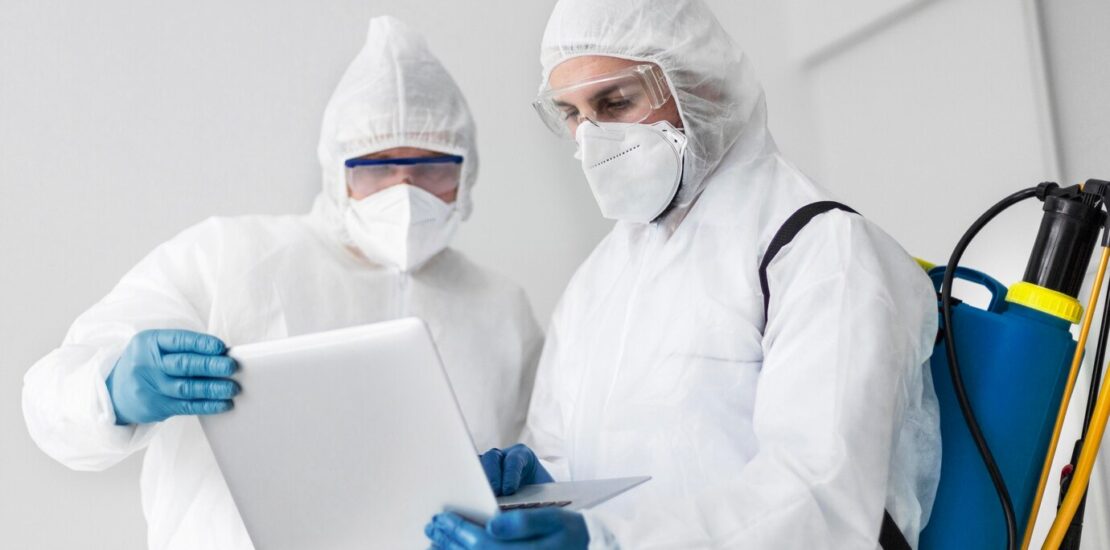
At Firstgrade Incorporated, we prioritize the chemical safety protocol and well-being of workers in every industry we serve. Our comprehensive guide to chemical safety protocols offers invaluable insights and guidelines to ensure a secure working environment. Let’s look into the essential measures that every industry should implement for effective chemical safety.
Understanding Chemical Hazards
The first step in chemical safety is understanding the hazards associated with different substances. From corrosive acids to flammable solvents, each chemical presents unique risks that must be identified and managed. Firstgrade’s guide provides detailed information on common chemical hazards, their properties, and potential health and environmental impacts.
Risk Assessment and Management
Conducting a thorough risk assessment is essential for identifying potential hazards and implementing appropriate control measures. Our guide outlines step-by-step procedures for conducting risk assessments, including hazard identification, exposure assessment, and risk mitigation strategies. By systematically evaluating risks, industries can proactively address safety concerns and prevent accidents.
Safe Handling and Storage Practices
Proper handling and storage of chemicals are critical for minimizing the risk of accidents and exposure. Firstgrade’s guide offers detailed guidelines for safe handling procedures, including use of personal protective equipment (PPE), proper ventilation, and emergency response protocols. Additionally, we provide recommendations for safe storage practices to prevent spills, leaks, and contamination.
Training and Education Programs
Ensuring that workers are adequately trained in chemical safety procedures is essential for maintaining a safe workplace. Firstgrade’s guide emphasizes the importance of comprehensive training and education programs, covering topics such as chemical identification, handling techniques, emergency response, and regulatory compliance. By investing in employee training, industries can empower workers to recognize and mitigate chemical hazards effectively.
Emergency Preparedness and Response
Despite best efforts to prevent accidents, emergencies can still occur. Being prepared to respond swiftly and effectively is crucial for minimizing the impact of chemical incidents. Our guide offers practical advice for developing emergency response plans, conducting drills, and coordinating with emergency services. By establishing clear protocols and communication channels, industries can ensure a coordinated response in the event of an emergency.
Regulatory Compliance and Best Practices
Staying compliant with regulatory requirements is essential for ensuring chemical safety in the workplace. Our guide provides an overview of relevant regulations and standards, along with practical tips for achieving compliance. By following best practices and staying up-to-date with regulatory changes, industries can demonstrate their commitment to safety and avoid potential fines or penalties.
Continuous Improvement and Evaluation
Chemical safety is an ongoing process that requires continuous improvement and evaluation. Firstgrade encourages industries to regularly review and update their safety protocols in response to changing conditions, new technologies, and lessons learned from past incidents. By fostering a culture of continuous improvement, industries can proactively identify and address emerging safety challenges.
Collaboration and Knowledge Sharing
Effective chemical safety requires collaboration and knowledge sharing among stakeholders. Firstgrade facilitates collaboration through industry partnerships, forums, and training events where experts can exchange insights, best practices, and lessons learned. By working together, industries can leverage collective expertise to address common safety challenges and drive innovation in chemical safety practices.
Partner with Firstgrade for Chemical Safety Excellence
Firstgrade Incorporated is committed to promoting chemical safety excellence across industries. Our comprehensive guide serves as a valuable resource for businesses seeking to enhance their Chemical safety protocol and protect their workers. Together, let’s prioritize safety and create a secure working environment for all.
FAQS
What are chemical safety protocols, and why are they important in industry?
Chemical safety protocols are guidelines and procedures designed to minimize the risks associated with handling, storing, and using hazardous chemicals in the workplace. They are crucial for protecting workers’ health and safety, preventing accidents, and ensuring regulatory compliance.
What are the main hazards associated with chemical substances in the workplace?
Chemical hazards can include toxicity, flammability, reactivity, corrosiveness, and environmental hazards. Exposure to these hazards can result in a range of health effects, from irritation and burns to respiratory problems and even long-term health conditions.
How can industries identify and assess chemical hazards in the workplace?
Industries can identify and assess chemical hazards through a process known as risk assessment. This involves identifying the types of chemicals present, evaluating their properties and potential risks, assessing exposure pathways, and determining appropriate control measures to mitigate risks.
What are some common control measures for managing chemical hazards in the workplace?
Common control measures for managing chemical hazards include engineering controls (such as ventilation systems and containment measures), administrative controls (such as safe work practices and training), and personal protective equipment (such as gloves, goggles, and respirators).
What should employees do in the event of a chemical spill or exposure?
Employees should be to respond quickly and appropriately to chemical spills or exposures. This may include evacuating the area, containing the spill if safe to do so, notifying supervisors or emergency services, and seeking medical attention if necessary.
You may find this useful:
- Chemical Safety Protocols: Guide for Industries
- Industrial Chemical Safety: Best Practices for Handling and Storage
- 2024 Chemical Suppliers’ Guide
- Power of Ammonium Nitrate in Mining | Firstgrade Incorporated