
- June 26, 2023
- Posted by: Firstgrade Writer
- Category: Food Ingredients
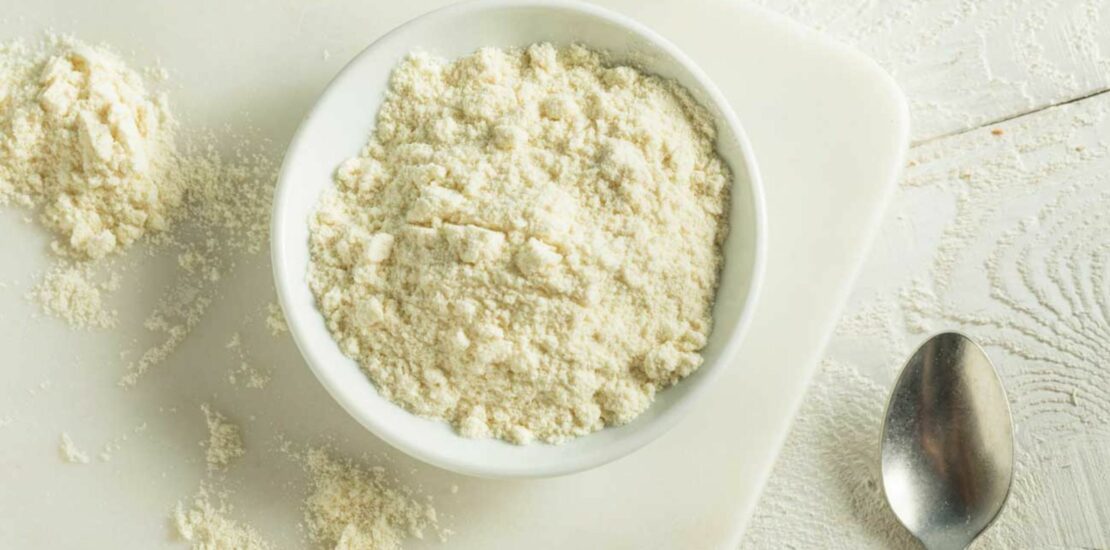
Whey powder concentrate 80% REG is a highly valuable ingredient derived from milk processing. As a byproduct of cheese production, it offers numerous applications and benefits for manufacturers across various industries. In this article, we will explore the diverse uses of whey powder concentrate 80% REG, delve into its nutritional profile, highlight processing considerations, and shed light on key facts that manufacturers must be aware of when working with this versatile ingredient.
Uses of Whey Powder Concentrate 80% REG
Food and Beverage Industry: Whey powder concentrate 80% REG serves as an excellent source of protein in the formulation of nutritional beverages, protein bars, sports supplements, baked goods, confectioneries, and dairy-based products. It enhances texture, improves nutritional value, and contributes to flavor profiles.
Animal Feed and Pet Food: The high protein content and amino acid profile of whey powder make it a valuable ingredient in animal feed and pet food formulations. It supports growth, development, and overall health in livestock, poultry, aquaculture, and companion animals.
Nutraceuticals and Dietary Supplements: Whey powder is widely used in the production of nutraceuticals and dietary supplements, particularly those focused on sports nutrition, muscle recovery, and immune support. It provides a convenient and highly bioavailable source of essential nutrients.
Nutritional Benefits
Protein Content: Whey powder is rich in high-quality protein, containing all essential amino acids required for muscle growth, repair, and maintenance.
Amino Acid Profile: It offers a complete spectrum of amino acids, including branched-chain amino acids (BCAAs), which are essential for muscle protein synthesis and athletic performance.
Bioavailability: The protein in whey powder has excellent bioavailability, meaning it is readily absorbed and utilized by the body.
Nutrient Profile: It contains essential minerals like calcium and phosphorus, as well as vitamins such as B-complex vitamins, making it a nutritionally beneficial ingredient.
Processing Considerations
Manufacturing Standards: When sourcing whey powder , it is crucial to ensure that it meets recognized quality standards, such as those set by regulatory bodies and industry associations.
Processing Techniques: Manufacturers should follow appropriate processing techniques to preserve the nutritional integrity, functional properties, and sensory attributes of whey powder concentrate.
Storage and Shelf Life: Proper storage conditions, including temperature and humidity control, are essential to maintain the quality and extend the shelf life of whey powder.
Key Facts for Manufacturers
Quality Control: Manufacturers should prioritize working with reputable suppliers who adhere to strict quality control measures, including comprehensive testing for contaminants, microbial safety, and nutritional composition.
Labeling and Allergen Management: Proper labeling is critical to inform consumers of potential allergens present in whey powder. Manufacturers must ensure compliance with labeling regulations and implement effective allergen management protocols.
Sustainability Considerations: Implementing sustainable practices in the sourcing and production of whey powder such as energy efficiency. Also waste reduction, and responsible water usage, can enhance environmental stewardship.
Traceability: Establishing traceability systems allows manufacturers to track the origin and handling of whey powder. Therefore, this ensures product integrity and meeting quality assurance requirements.
Regulatory Compliance: Manufacturers must stay updated on relevant regulations and standards related to whey powder to ensure compliance with food safety. Also labeling, and product quality requirements.
Conclusion
Whey powder offers immense potential for manufacturers across multiple industries. Also,its versatile applications, nutritional benefits, and processing considerations make it a valuable ingredient choice. Also, by understanding the uses and key facts associated with whey powder, manufacturers can harness its potential. Also, this create innovative products, and meet consumer demands for nutritious and high-quality offerings.
FAQS
What is Whey Powder Concentrate 80% REG?
Whey powder is a dried form of whey, which is obtained as a byproduct of cheese production. It contains approximately 80% protein along with other nutrients.
How is Whey Powder Concentrate 80% REG used in the food industry?
Whey powder is used in various food applications, including protein bars, sports drinks, bakery products, confectioneries, and dairy-based products. Also, it enhances nutritional value, texture, and flavor.
Is Whey Powder Concentrate 80% REG suitable for animal feed?
Yes, whey powder is widely used in animal feed formulations. Also, it provides a high-quality protein source and essential amino acids for livestock, poultry, aquaculture, and pet food.
What are the nutritional benefits of Whey Powder Concentrate 80% REG?
Whey powder concentrate 80% REG is rich in protein, containing all essential amino acids. Also, it supports muscle growth, recovery, and overall health. It also provides essential minerals and vitamins.
Can Whey Powder be used in dietary supplements?
Yes, whey powder is commonly used in the production of dietary supplements. This is especially on those focused on sports nutrition and muscle recovery. It offers a convenient and highly bioavailable protein source.